Logo Inspiration
Logos require a lot of care and thought to really hit the mark and nail the correct brand image for a client. By following tutorials you can improve your skills in applications like Photoshop, Illustrator or InDesign, and this will aid you in your logo inspiration. However, without any structure you will struggle to produce an effective logo.
Below I have complied articles showing some of the steps different people take in designing logos, with some hands on examples. First though, we need to do some research...
What is a Logo? - Inspiration Step 1
A great place to start your journey is to find out what a logo actually represents.
Do you know what a logo is and what it represents?
Do you know the principles of an effective logo design?
Do you know any successful (or unsuccessful) logo designs?
Do you have a logo design process?
Do you know how to use your design software effectively?
If you don't know the answer to any of the above questions or would like to find out more, please click below:
What is a Logo? Inspiring Article
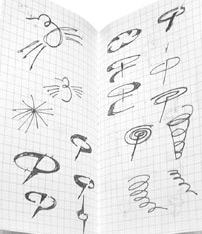
Chuck Green - Humming Bird Logo Design
"I love to see examples of how other designers work - they reveal better (or worse) ways of doing things and allow me to gauge whether my methods are mainstream or totally whacked-out".
Chuck explains his ideas and inspiration (and also his client's thoughts) while showing 30+ examples before reaching his final logo design.
Step by Step Logo Inspirational Article
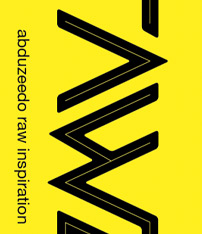
Custom TypeFace - Logo Inspiration
This is a great example of how simple type can be unique and beautiful, following the inspirational steps covered to create the "rawz" logo.
"The idea for the logo also was inspired by the concept of being raw. No symbol, just the word and a very customized typeface. So in this sort of tutorial case study we will show you the steps that took to us to come up with the logo."
Step by Step Logo Typeface Article
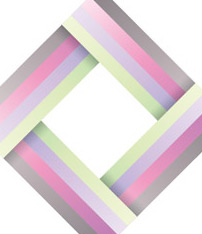
Depth and Rhythm - Logo Inspiration
This is a great example of how four simple colours can be used to create a bold patterened logo, with depth and style.
View the inspiring article via the link below.
Colourful Inspirational Logo Article

Corporate Clients - Inspirational Designs
Below are two articles from the same designer - Chris Spoon. The steps he takes and creativity are clearly documented and it shows a great insight into his creative design process.
A flowing colour bursting brand logo, oozing inspiration:
Colourful Wave Inspirational Logo Process
A cubist logo, showing how depth and simple gradients can make all the difference to a professional and well balanced design:
Cubist Style Inspirational Logo Process